ZZ Plant Care: Watering, Light, Soil and Yellow Leaves
ZZ plant care indoors: how rarely to water, what light it needs, the right soil and pot, fertilizer, repotting rhizomes, and fixing yellow leaves.

On this page
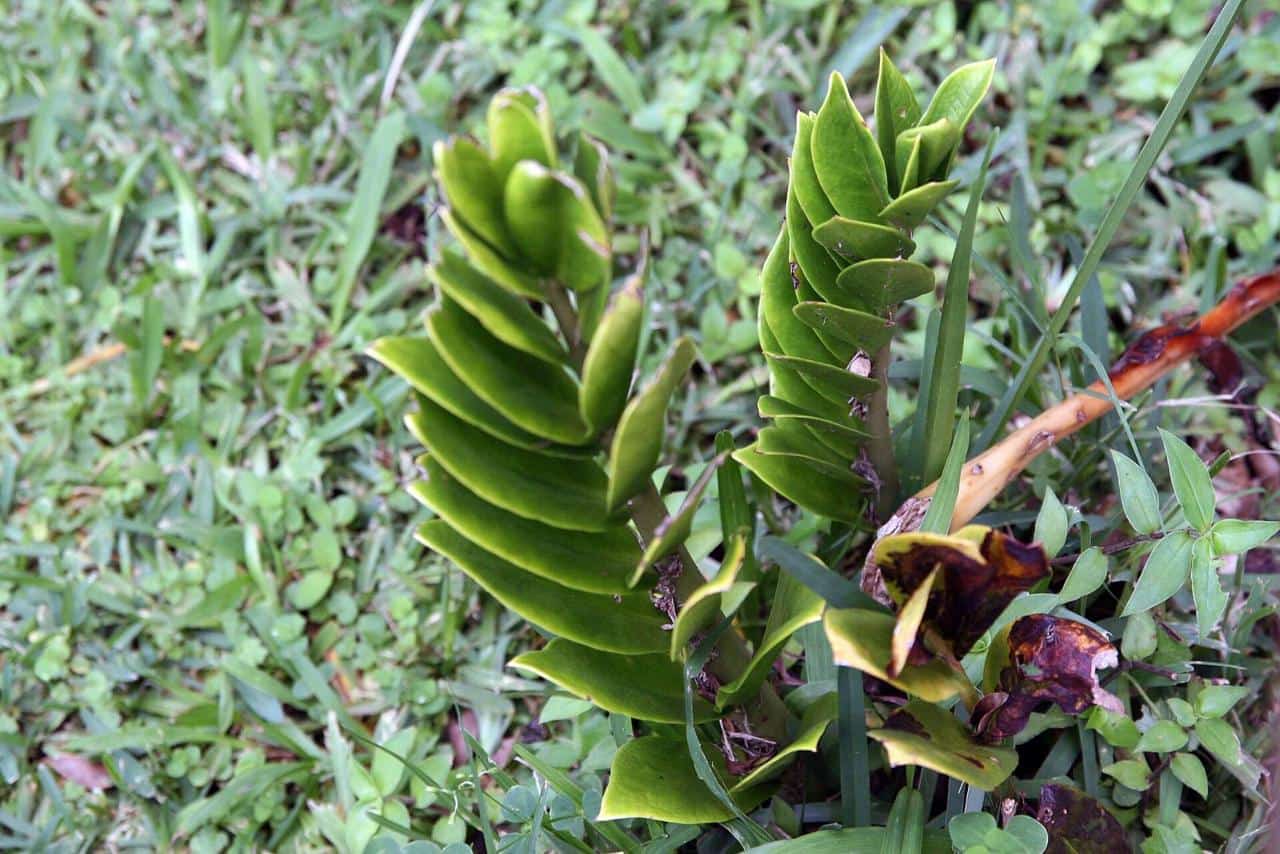
ZZ plant care, in short: put it in bright, indirect light if possible (it tolerates low light), water only when the soil is completely dry, and use a fast-draining mix in a pot with a drainage hole. Feed it two or three times in spring and summer, and repot only when the rhizomes fill the pot. The ZZ plant (Zamioculcas zamiifolia) is a beginner's dream, as long as you don't love it with too much water.
ZZ plant care at a glance
| Need | What works |
|---|---|
| Light | Bright, indirect best. Tolerates low light. Avoid harsh direct sun. |
| Water | When the soil is completely dry |
| Soil | Free-draining: general mix plus perlite, or succulent mix |
| Pot | Drainage hole. Sturdy, as rhizomes can crack thin pots. |
| Humidity | Average is fine |
| Temperature | Ideally 15–27 °C. Keep above about 10 °C. |
| Feeding | Half-strength feed 2–3 times in spring–summer |
| Repotting | Every 2–3 years, when rhizomes fill the pot |
| Pets | Toxic to cats and dogs |
Why ZZ plants are so tough
Under the soil, ZZ plants grow potato-like rhizomes that store water and food. The glossy, waxy leaves lose little water. In its native East Africa, the plant survives long dry seasons this way, and in a home it means the plant shrugs off weeks of neglect. It also means wet soil is its biggest enemy. Rhizomes rot easily if they sit in water.
ZZ plant varieties
| Variety | Look | Care difference |
|---|---|---|
| Standard ZZ | Glossy mid-green leaflets | The toughest |
| 'Raven' | Near-black new growth that darkens with age | Same care, new leaves start green |
| 'Zenzi' | Compact, curled, crowded leaflets | Good for small spaces, slower |
| Variegated ZZ | White or cream patches | Needs brighter light, slower and pricier |
Light
ZZ plants grow in almost any indoor light except deep darkness and hot direct sun:
- Bright, indirect light: fastest growth, sturdy stems, deep green leaves.
- Medium light: steady, slower growth. Ideal for most homes.
- Low light: survives and grows slowly. It's one of the best very low light plants and one of the best plants for an office with no windows, though it does better with a grow light there.
- Direct sun: gentle morning sun is fine. Hot afternoon sun through glass can yellow or scorch leaves.
Our plant light meter converter turns a phone light-meter reading into these categories.
How often to water a ZZ plant
Water when the soil is completely dry all the way through. Push a wooden skewer to the bottom of the pot. If it comes out clean and dry, water. If it has damp soil on it, wait. When you water, soak it thoroughly, let it drain, and empty the saucer.
The watering schedule builder gives these starting check intervals for a ZZ plant:
| Setup (15 cm plastic pot) | Check soil every |
|---|---|
| Low light, spring–summer | 20 days |
| Medium light, spring–summer | 14 days |
| Medium light, autumn–winter | 21 days |
| Low light, autumn–winter | 29 days |
In practice, many ZZ plants are watered once a month or even less in winter. If you're unsure, wait another week. A thirsty ZZ plant tells you by slightly wrinkling stems or leaves, and recovers quickly once watered.
Overwatering signs
- Yellow leaves, often starting on one stem
- Soft, mushy or blackened stems at the soil line
- Soil that smells sour
- Rhizomes that feel soft when you press near the surface
Underwatering signs
- Wrinkled or shrivelling stems
- Leaflets dropping while still green
- Soil pulling away from the pot
Best soil for ZZ plants
Use a mix that drains quickly and dries out between waterings. Two good options from our soil mix calculator:
| Recipe | Ingredients | For 4 L |
|---|---|---|
| General houseplant mix | 70% potting soil, 30% perlite | 2.8 L soil, 1.2 L perlite |
| Gritty succulent mix | 50% cactus soil, 40% pumice or perlite, 10% grit | 2 L cactus soil, 1.6 L pumice/perlite, 0.4 L grit |
The succulent mix is safer for heavy waterers or low light. The general mix with perlite suits bright rooms. Our houseplant soil mix guide explains the thinking.
Pots and repotting
ZZ plants like a snug pot. Repot every 2–3 years, in spring, when:
- rhizomes are pushing up the soil or distorting a plastic pot,
- roots are growing out of the drainage hole, or
- the plant dries out within days of watering.
How to repot a ZZ plant:
- Water a few days before, so the root ball is slightly moist, not wet.
- Squeeze or cut the nursery pot to release the plant. Rhizomes can grip tightly.
- Choose a pot only a few centimetres wider. From a 15 cm pot, the repotting pot size calculator suggests 19 cm (range 17–20 cm).
- Set the rhizomes at the same depth, just below the surface, and fill with fresh mix.
- Wait about a week before watering so any damaged roots can heal.
To divide a big plant, separate it into sections that each have rhizomes and stems. See our how to repot a houseplant guide for the general technique.
Fertilizer
ZZ plants need little feeding. Use a balanced liquid houseplant fertilizer at half strength two or three times between spring and late summer. With a label dose of 5 ml per litre and a 2 litre can, our fertilizer dilution calculator works out 5 ml at half strength. Skip feeding in autumn and winter, and never feed a dry plant. Water first.
ZZ plant yellow leaves
| Pattern | Cause | Fix |
|---|---|---|
| Yellowing with soft stems, wet soil | Overwatering, rot | Let dry, check rhizomes, repot if rotten |
| One old stem yellowing slowly | Natural ageing | Cut the stem at the base when yellow |
| Yellow patches on the window side | Too much direct sun | Move back from the glass |
| Yellow after moving or repotting | Stress | Wait, don't overwater |
| Pale, yellowish plant after years in the same soil | Nutrient shortage | Feed lightly in spring |
Saving an overwatered ZZ plant: remove it from the pot, wash off the soil, and cut away mushy, brown or black rhizomes and roots with clean scissors. Let the healthy parts air-dry for a day, then repot in dry, gritty mix and wait a week before watering.
Propagating ZZ plants
- Division is quickest: split a large plant at repotting time.
- Stem cuttings root in water or gritty mix. It's slow, often a couple of months for roots and longer for rhizomes.
- Leaf cuttings (single leaflets pushed into moist gritty mix) form tiny rhizomes over several months. Patience required.
Other common problems
- Leaning or floppy stems: usually low light. Move somewhere brighter, rotate the pot, or stake heavy stems.
- Brown tips: often from irregular watering, salt build-up or cold drafts.
- Dust: the glossy leaves show it. Wipe with a damp cloth, and avoid leaf-shine products.
- Pests: uncommon, but check for mealybugs and scale.
Is the ZZ plant toxic?
ZZ plants contain calcium oxalate crystals, which irritate the mouth and stomach if chewed. Treat them as toxic to cats, dogs and children. Wear gloves when dividing big plants if you have sensitive skin, and wash your hands after handling. If you need a pet-safe low-light plant, see low light plants safe for cats.
ZZ plant care checklist
- Bright, indirect or medium light (low light is OK)
- Water only when the soil is fully dry, roughly monthly
- Fast-draining mix, pot with drainage
- Feed 2–3 times in spring and summer at half strength
- Repot every 2–3 years, just a few cm larger
- Keep out of reach of pets
Sources and further reading
- Royal Horticultural Society, for Zamioculcas cultivation.
- NC State Extension Gardener Plant Toolbox, species profile.
- ASPCA Toxic and Non-Toxic Plants list, for pet safety information on aroids.
Another plant that thrives on neglect: read our snake plant care guide.
Frequently asked questions
How often should I water a ZZ plant?
Only when the soil is completely dry, which is often every two to four weeks in spring and summer and less in winter. ZZ plants store water in their rhizomes, so they handle missed waterings far better than overwatering.
Can ZZ plants live in low light?
Yes. ZZ plants are among the most low-light tolerant houseplants. They grow slowly in dim spots. Bright, indirect light gives faster, fuller growth.
Why are my ZZ plant leaves turning yellow?
Overwatering is the most common cause, especially if the stems feel soft at the base. Old leaves yellowing slowly is normal, and too much direct sun or a sudden move can also cause yellowing.
Is the ZZ plant toxic to pets?
Yes. ZZ plants contain calcium oxalate crystals, like many aroids, and should be treated as toxic to cats and dogs. Chewing can cause mouth irritation, drooling and vomiting.
How fast does a ZZ plant grow?
Slowly. In good conditions, a ZZ plant may push a few new stems a year, usually in flushes in spring and summer. In low light it may produce only one or two.