Monstera Care Guide: Light, Water, Soil and Fixes
A complete monstera care guide: light, watering, soil, feeding, repotting, support, propagation, and fixes for yellow leaves and no splits.

On this page
- Monstera care at a glance
- How much light does a monstera need?
- How often to water a monstera
- Best soil for monstera
- Pot and repotting
- Feeding
- Support: moss poles and stakes
- Humidity and temperature
- Monstera care through the seasons
- Pruning and cleaning
- How to propagate a monstera
- Common monstera problems and fixes
- Monstera care checklist
- Related tools and guides
Monstera care in one paragraph: give your monstera bright, indirect light, a chunky, free-draining soil mix and a pot with drainage. Water when the top few centimetres of soil are dry, feed lightly in spring and summer, and give it something to climb. Most problems, including yellow leaves, no splits and root rot, come from too much water or too little light.
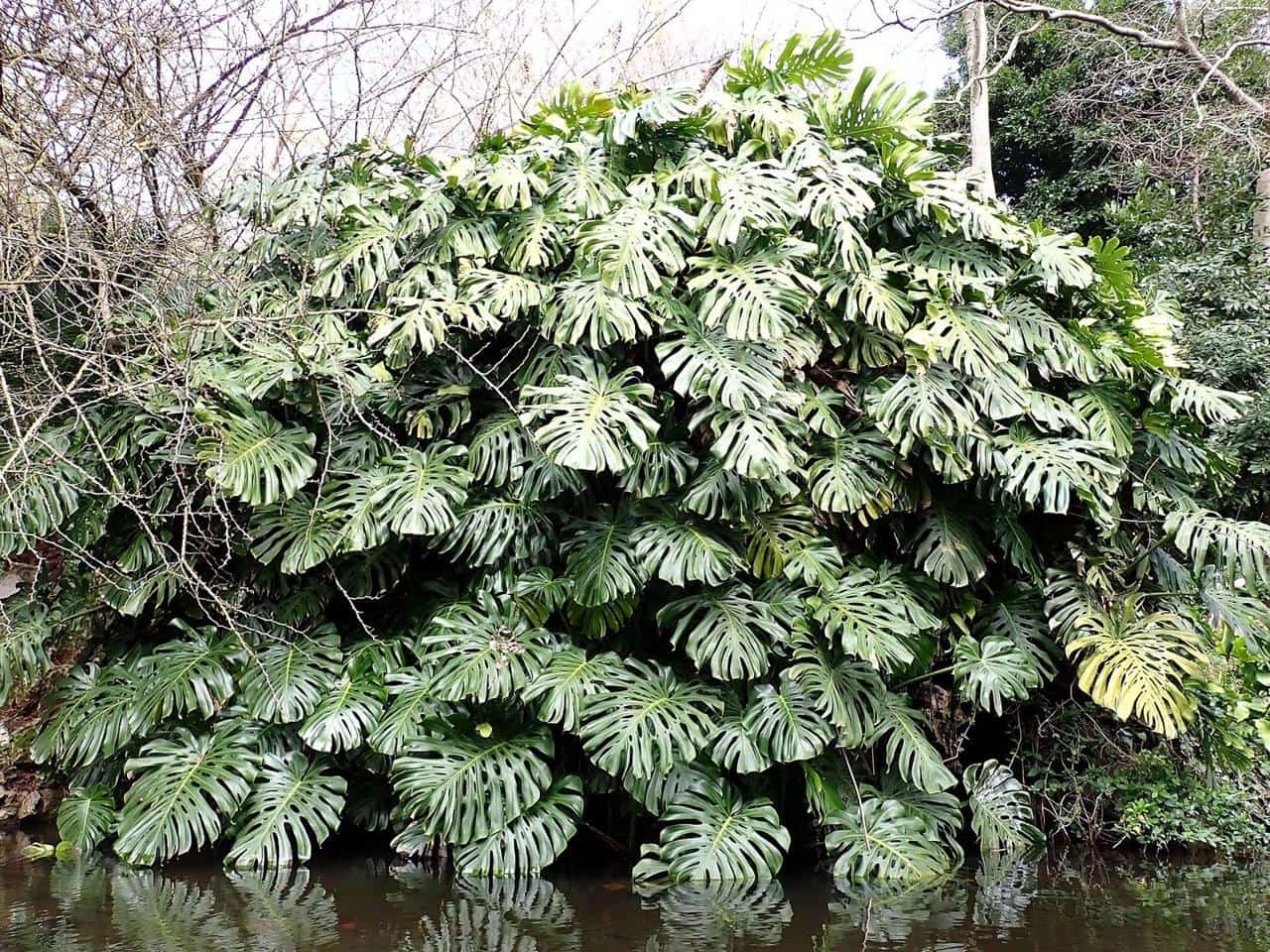
This monstera care guide covers Monstera deliciosa, the large-leaved plant often called the Swiss cheese plant. Most of the advice also applies to its smaller relatives, but check species-specific needs for rarer types.
Pet note: the ASPCA lists monstera as toxic to cats and dogs. Keep it out of reach of pets that chew plants.
Monstera care at a glance
| Need | What works |
|---|---|
| Light | Bright, indirect. Tolerates medium light. Avoid harsh midday sun through glass. |
| Water | When the top 2–5 cm of soil are dry |
| Soil | Chunky aroid mix: soil, bark, perlite |
| Humidity | Average room humidity is fine; higher helps |
| Temperature | Normal room temperatures; avoid cold drafts |
| Feeding | Diluted liquid feed during spring–summer |
| Repotting | Every 1–2 years, 2–5 cm wider |
| Pets | Toxic to cats and dogs (ASPCA) |
How much light does a monstera need?
Bright, indirect light is ideal. That usually means a spot near an east or west window, or a metre or two back from a south-facing window (north-facing in the southern hemisphere). Gentle morning sun is usually fine. Strong midday sun through glass can scorch leaves.
If you measure with a phone light meter, aim for medium to bright indirect light. That's roughly 250 to 5,000 foot-candles on the common houseplant scale, ideally towards the upper part. The light meter converter turns a lux reading into these categories.
Signs of too little light
- New leaves are smaller than old ones
- Few or no splits in new leaves
- Long gaps between leaves (leggy stems)
- Leaning strongly towards the window
- Soil stays wet for a long time
Signs of too much direct sun
- Pale, bleached or yellowish patches
- Crispy brown scorch marks on the leaves facing the window
How often to water a monstera
Water when the top 2 to 5 cm of soil are dry, then water thoroughly until it drains, and empty the saucer. Don't water on a fixed day of the week. Let the soil tell you.
How often that happens depends on light, pot size, pot material and season. As a worked example from the watering schedule builder: a monstera in a 20 cm plastic pot, in medium light, during the growing season gets a soil check every 7 days. In winter in a terracotta pot, the interval is about 9 days. Those are dates to check, and you water only if the soil is ready.
Checking the soil
- Push a finger into the soil up to the second knuckle.
- If it feels dry at that depth, water.
- If it's still cool and damp, wait a few days and check again.
For large pots, a wooden skewer pushed deep into the soil shows whether the bottom is still wet.
Overwatering vs underwatering
| Symptom | Overwatering | Underwatering |
|---|---|---|
| Leaves | Yellowing, often lower leaves first | Drooping, curling, crispy edges |
| Soil | Stays wet for days | Bone dry, pulling from pot edge |
| Stems | Soft or dark at the base | Firm |
| Smell | Musty or sour soil | No smell |
Overwatering is far more common, and far more dangerous, because it leads to root rot.
Best soil for monstera
Monsteras grow as climbers in the wild, and their roots like air as well as water. A dense, peat-heavy compost can stay soggy. Many growers use a chunky aroid mix:
| Ingredient | Share by volume |
|---|---|
| Potting soil | 40% |
| Orchid bark | 30% |
| Perlite | 20% |
| Horticultural charcoal (optional) | 10% |
For a 5 L batch, that's 2 L soil, 1.5 L bark, 1 L perlite and 0.5 L charcoal. The soil mix calculator scales it to any volume. If you'd rather keep it simple, a good general potting mix with about a third perlite also works.
Pot and repotting
Use a pot with a drainage hole. Repot every one to two years, or when you see:
- roots coming out of the drainage hole;
- roots circling the surface;
- water running straight through the pot;
- soil drying out within a day or two.
Move up only 2 to 5 cm in diameter. A monstera in an 18 cm pot usually moves to a 22 cm pot, not a 35 cm one. The repotting pot size calculator suggests a size and tells you how many litres of mix to prepare. Spring is the best time to repot.
Feeding
Feed during spring and summer with a balanced liquid houseplant fertilizer. Many growers use it at half strength every few weeks. Always stay at or below the label dose. Use the fertilizer dilution calculator to measure the right amount for your watering can. Stop or reduce feeding in autumn and winter, and skip feeding for about a month after repotting.
Support: moss poles and stakes
Monsteras climb using aerial roots. Giving them a support does three things:
- keeps a large plant upright and tidy;
- directs growth upwards instead of sprawling sideways;
- is commonly associated with bigger, more mature leaves, which many growers report as the plant climbs.
Options include a moss pole, a coir pole, a wooden plank or a sturdy stake. Tie stems loosely with soft plant ties, and tuck aerial roots against the pole. Keeping a moss pole slightly damp encourages roots to grow into it.
Humidity and temperature
Monsteras cope well with typical indoor humidity. Higher humidity can help new leaves unfurl cleanly. Keep plants away from radiators, heating vents and cold drafts from doors. Normal room temperatures suit them well.
Monstera care through the seasons
Spring. Growth picks up. This is the best time to repot, add a pole and start feeding again. Check the soil more often, because the plant is drinking more.
Summer. This is peak growth, and new leaves may arrive every few weeks in good light. Watch for scorch if sun moves onto the plant in the afternoon. Pests like spider mites thrive in warm, dry air, so look under the leaves now and then.
Autumn. Light levels drop. Move the plant closer to the window if it starts leaning or stretching. Taper off feeding.
Winter. Growth slows, and the soil dries much more slowly, so lengthen the gap between checks. Keep the plant away from radiators and cold, drafty windows. Don't worry if it produces nothing new until spring.
Pruning and cleaning
- Remove yellow or damaged leaves at the base with clean, sharp scissors.
- Cut back long stems just above a node if the plant gets too big. The cutting can be propagated.
- Wipe leaves with a damp cloth every few weeks. Dust reduces the light the leaves receive.
- Wear gloves if your skin is sensitive, because the sap can irritate.
How to propagate a monstera
Monsteras propagate well from stem cuttings with a node. A leaf on its own, with no node, won't grow a new plant.
- Find a node: the bump on the stem where a leaf and usually an aerial root emerge.
- Cut 2 to 3 cm below the node with clean scissors. Include at least one leaf.
- Root it in water (change the water weekly) or in moist sphagnum moss or perlite.
- Keep it in bright, indirect light.
- Once roots are a few centimetres long, which usually takes several weeks, pot it into a small pot of aroid mix.
Common monstera problems and fixes
Yellow leaves
- One old, lower leaf yellowing now and then is normal ageing.
- Several leaves yellowing and soil staying wet points to overwatering. Let the soil dry more between waterings, and check the roots.
- Pale new growth in an old pot may mean nutrients have run low. Feed in the growing season or repot.
Brown spots and crispy edges
- Crispy brown edges often come from underwatering or very dry air.
- Brown patches on the side facing the window suggest sun scorch.
- Dark, soft brown spots with yellow halos can be a sign of overwatering or infection. Remove the affected leaves and improve drainage.
No splits (fenestrations)
Splits appear as the plant matures, and they need good light. Move it to brighter, indirect light and give it a pole to climb. Be patient: the leaf that's already unfurling won't change, but future leaves can.
Leggy growth
This is almost always a light problem. Move the plant closer to a window. You can cut leggy stems back and propagate the cuttings.
Drooping
Check the soil. Dry soil means the plant is thirsty. Wet soil with drooping leaves may mean root rot. Remove the plant from its pot, cut away mushy brown roots, and repot into fresh, free-draining mix.
Pests
Look under leaves for spider mites (fine webbing, speckled leaves), thrips and mealybugs (white cottony spots). Isolate the plant, wipe or rinse the leaves, and follow the label of an appropriate houseplant treatment if needed.
Monstera care checklist
- Bright, indirect light
- Pot with drainage hole
- Chunky, free-draining mix
- Check soil before watering; water when top 2–5 cm are dry
- Empty the saucer after watering
- Feed lightly in spring and summer
- Support with a pole or stake
- Wipe leaves monthly
- Repot every 1–2 years, only 2–5 cm larger
- Keep away from pets that chew plants
Related tools and guides
- Watering schedule builder: a soil-check routine for your monstera
- Light meter converter: check your light level
- Soil mix calculator: scale the aroid mix
- Pothos care guide: a close relative with similar needs
- How to water houseplants: the technique behind every watering
Sources: pet toxicity from the ASPCA Toxic and Non-Toxic Plants list (aspca.org). Light conversions use the standard 1 fc = 10.764 lux. Care recommendations reflect widely shared growing practice and are presented as ranges.
New to monstera? Follow the monstera deliciosa care for beginners first-year plan. Troubleshooting? Start with monstera yellow leaves, and see how to repot a houseplant and our houseplant soil mix recipes for repotting day.
Frequently asked questions
How often should I water a monstera?
When the top 2 to 5 cm of soil are dry. In a 20 cm pot in medium light during spring and summer, that's often about once a week, but always check the soil first. Water less in winter.
Why are my monstera leaves not splitting?
Young monstera leaves are naturally solid. Splits, called fenestrations, appear as the plant matures, and they need plenty of bright, indirect light. A monstera in low light often keeps producing small, unsplit leaves.
Why are my monstera leaves turning yellow?
The most common cause is overwatering, especially when lower leaves yellow and the soil stays wet. Other causes include a natural loss of old leaves, too little light, or a nutrient shortage in a plant that hasn't been fed or repotted for a long time.
Is monstera toxic to cats and dogs?
Yes. The ASPCA lists Monstera deliciosa (as split-leaf philodendron) as toxic to cats and dogs. It contains insoluble calcium oxalate crystals. If a pet chews it, contact your vet.
Does a monstera need a moss pole?
It doesn't need one to survive, but monsteras are climbers. A pole or stake helps them grow upright and is often linked with larger, more mature leaves.