
Marathon fueling
Marathon fueling for plant-based runners
Race-week protocols for plant-based marathon and half-marathon runners: carb loading, taper fiber, breakfast timing, iron and B12.
Two numbers drive everything in this section. The first is carbohydrate — roughly 8–12 g per kg of body mass per day over the final 36–48 hours, which is the same target every marathon runner works to. The second is fiber, and it is the one generic plans ignore: a typical plant-based diet runs 35–50 g per day, against a race-week working ceiling of about 15 g. Hitting the first without breaking the second is the whole problem, and it is why “just eat low fiber” is useless advice to someone whose protein comes from lentils.
Start here

Pillar
Vegan Marathon Carb Loading: The Complete Low-Fiber Protocol
Hit 8–12 g/kg of carbohydrate in 36–48 hours on a vegan diet without blowing a ~15 g fiber ceiling. Meal swaps, a 70 kg menu, and honest GI limits.
Pillar
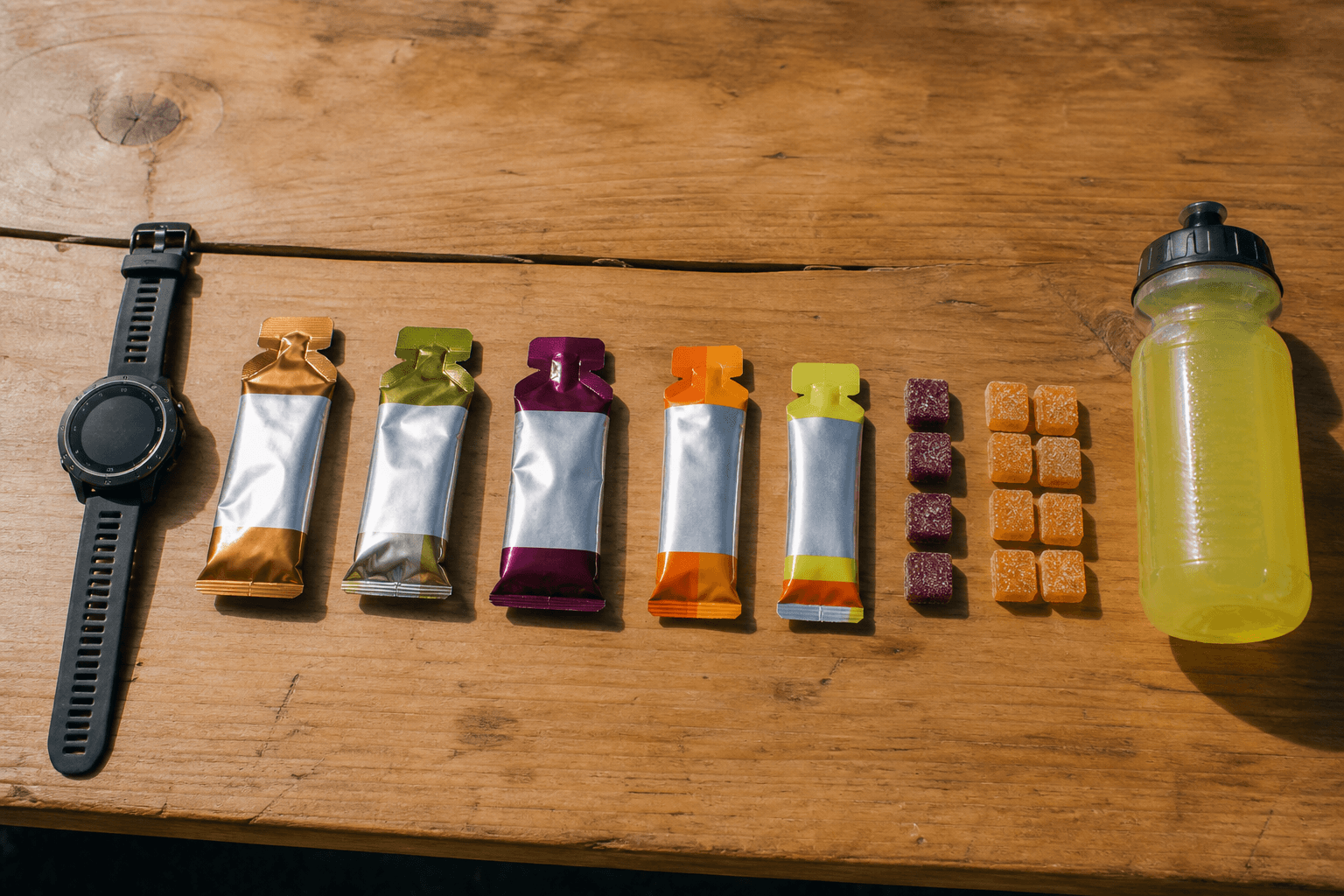
Vegan Race Day Fueling: Hour-by-Hour Plan
Take 60–90 g of carbohydrate per hour from vegan-status-checked gels and drinks. A 4-hour plan, aid-station traps, and gut-training limits.
Pillar
Plant-Based Iron and B12 for Runners: What the Research Actually Says
Non-heme iron, hepcidin after hard sessions, and why B12 is not optional on a vegan diet. Training-block habits — not race-week pills or guessed ferritin.
All marathon fueling
B12 for Vegan Runners: Why Supplementation Isn't Optional
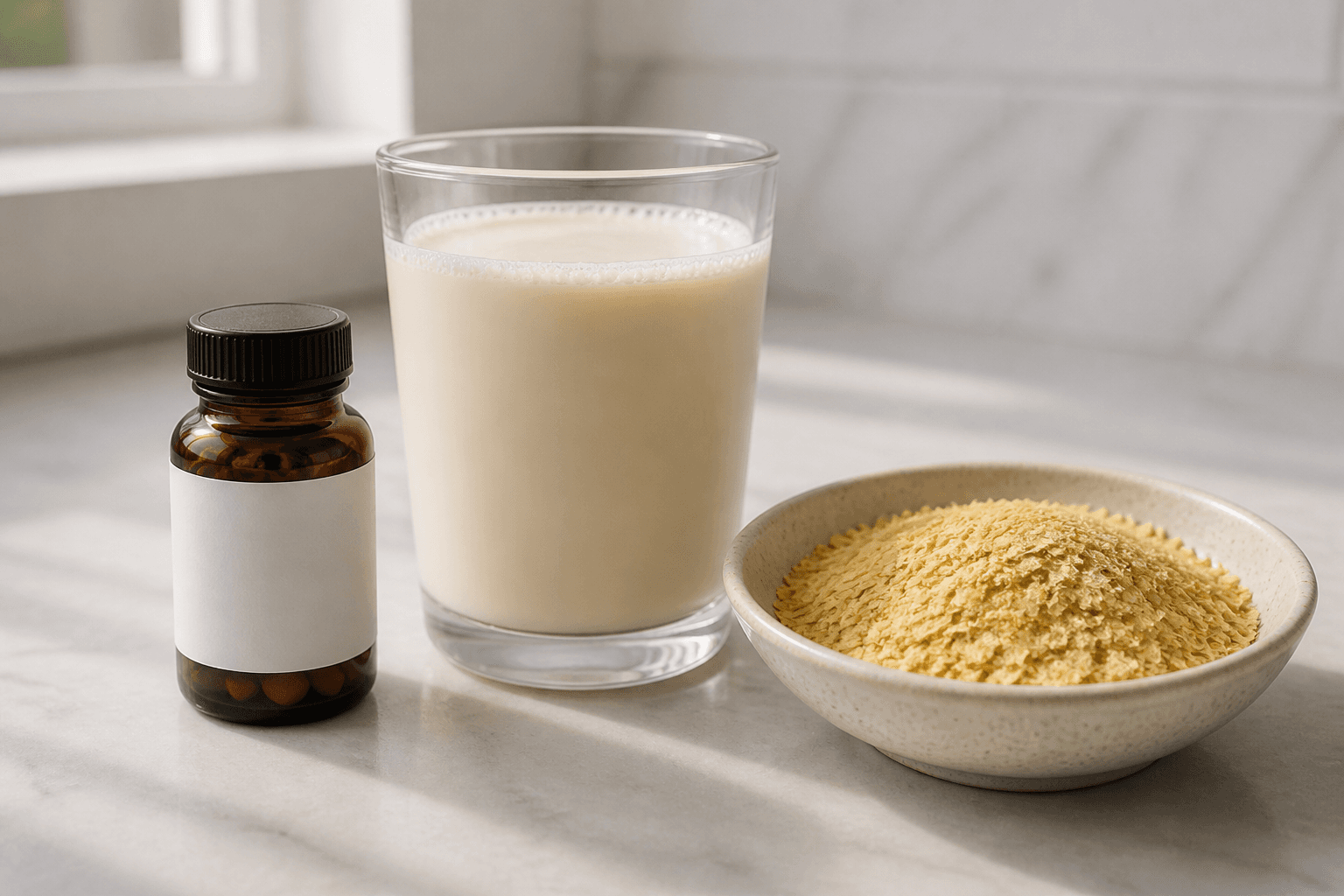
Unfortified plants do not provide B12. Use cyanocobalamin or reliably fortified foods every day — mileage is not an endurance exception for vegan runners.
Beetroot Juice for Runners: Dose, Timing, Evidence
Dietary nitrate from beetroot is an optional, mixed-evidence experiment — not a PR guarantee and not a substitute for 8–12 g/kg carb loading or practised race fueling.

Coffee Before a Marathon on a Plant-Based Diet: Timing and Dosing
Caffeine still works if you are vegan: 3–6 mg/kg, 45–60 minutes pre-gun. Count the gels, skip the oat-milk mocha, and do not quit coffee in taper week.
Creatine for Runners: Dose, Timing, Vegan Facts
Creatine monohydrate at 3–5 g/day is the studied dose. It is typically synthetic and vegan-suitable. It does not replace carb loading or in-race carbohydrate, and marathon time benefits are not guaranteed.
Do Plant-Based Runners Need More Protein? What the Research Says
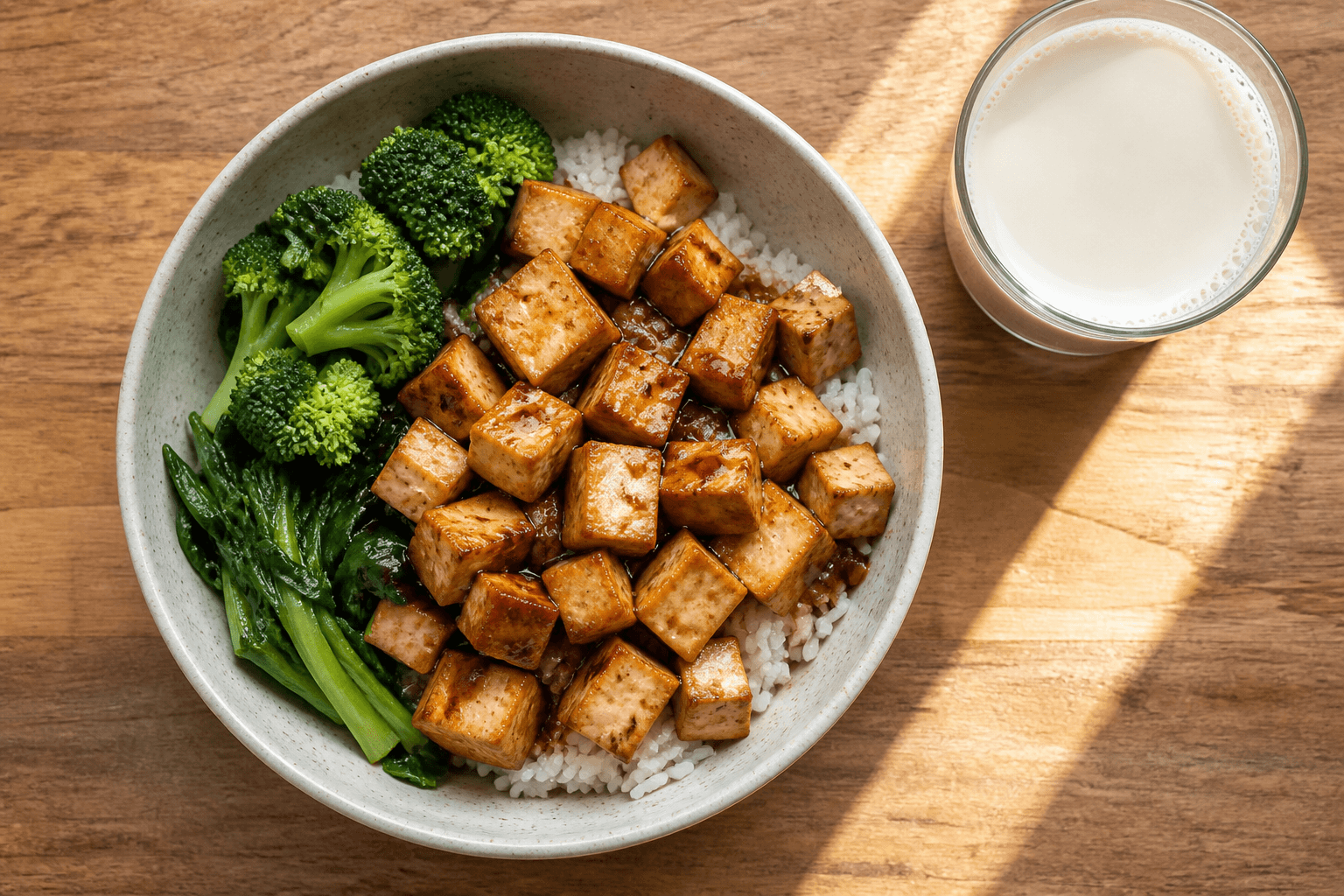
Hit 1.2–2.0 g/kg with tofu, soy milk, and legumes. Plant protein is a serving-size issue, not a 50% vegan surcharge, and race week still needs tofu.
Glucose Fructose Ratio in Energy Gels Explained
SGLT1 vs GLUT5: why ~60 g/h single-source ceilings rise toward ~90 g/h with glucose plus fructose. Decode 2:1 and 1:0.8 labels without brand hype.
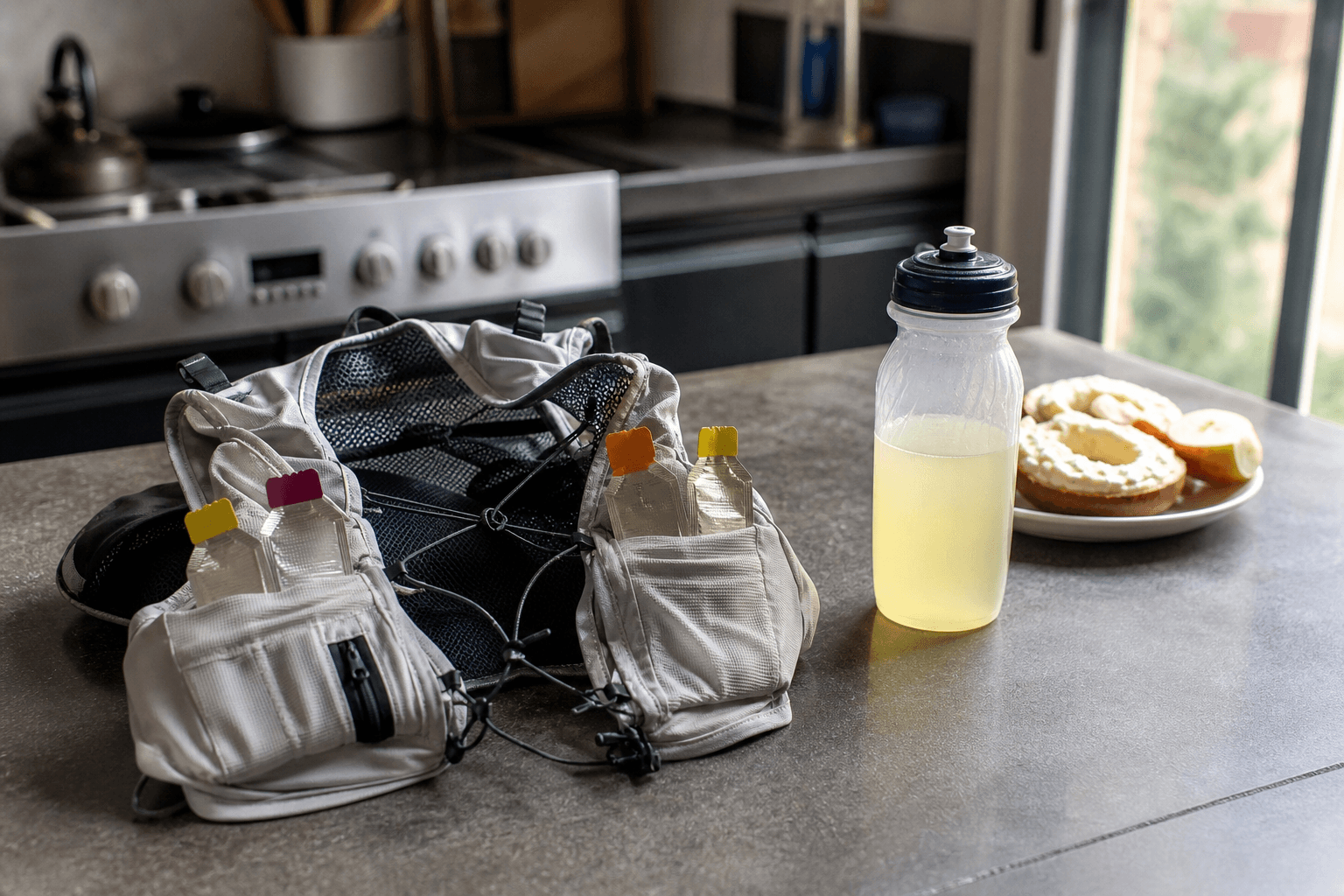
Gut Training for Plant-Based Runners
Practise 60–90 g of carbohydrate per hour on long runs, then rehearse the race-week fiber drop. Being vegan does not change transporters; it changes residue.

Half Marathon Fueling for Vegan Runners
A half often needs less than a full marathon carb load, but you still need breakfast, 30–60 g/h if you will be out over 90 minutes, and vegan-checked packets.
Hitting the Wall in a Marathon: Causes and Prevention
The wall is glycogen running out faster than you replace carbohydrate. Prevent it with 8–12 g/kg pre-race, practised 60–90 g/h fueling, and gut training — not willpower.
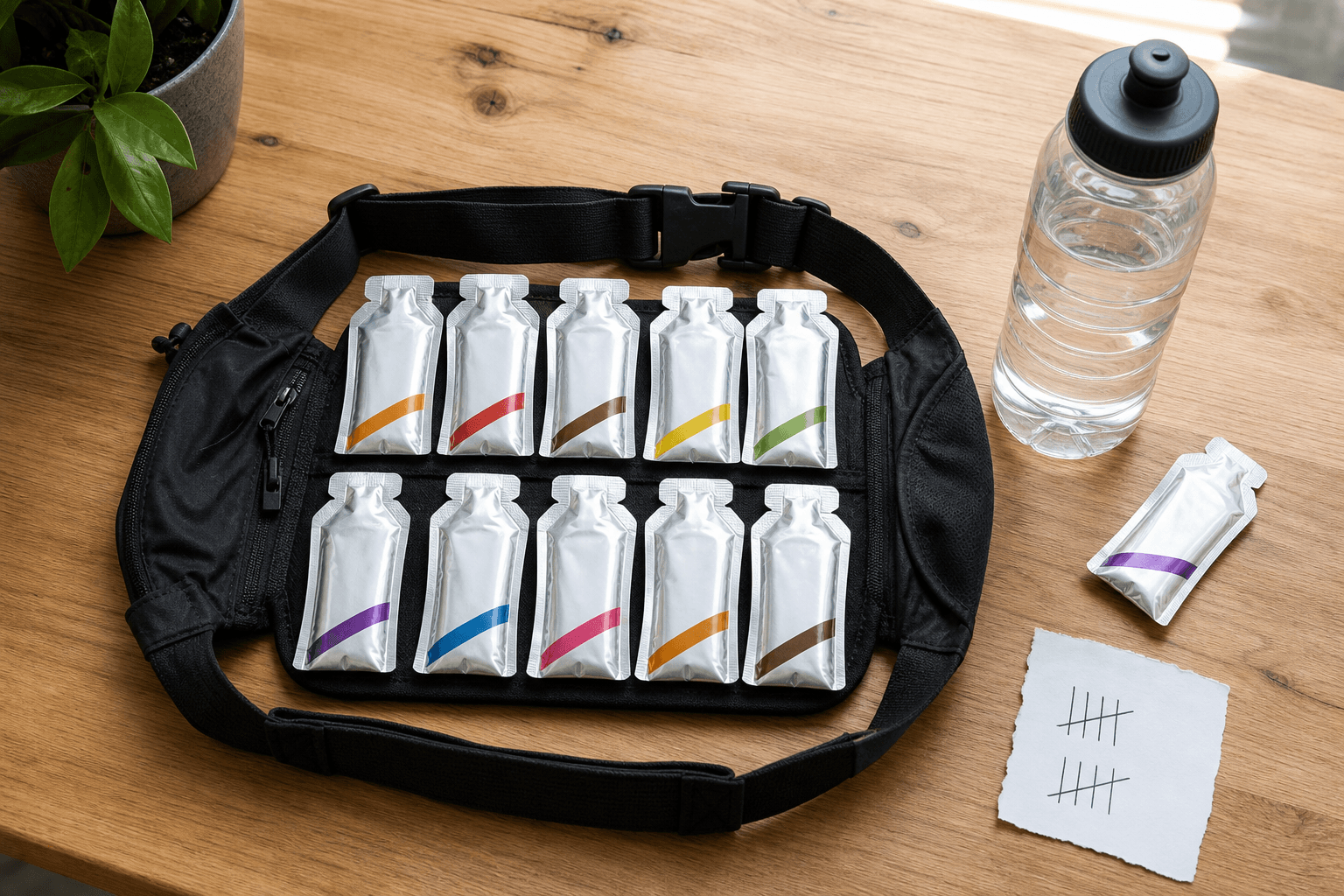
How Many Gels for a Marathon on a Vegan Diet
Count packets from 60–90 g of carbohydrate per hour, not from the wrapper. Maurten, Neversecond, and Precision Fuel math, plus vegan aid-station traps.
How Much Sodium Do Marathon Runners Need?
Start from ~300–600 mg sodium per litre in a carbohydrate sports drink, drink to thirst, and count gel sodium. Plant-based sources without invented sweat-test doses.
How Much Water to Drink During a Marathon
Drink to thirst with sodium in the plan. Forced plain-water gallons raise hyponatremia risk; racing bone-dry raises heat and GI risk. No universal ounces-per-mile.
How to Prevent Muscle Cramps While Running
Exercise cramps are more a neuromuscular fatigue problem than a salt shortage. Pace, heat, and practised fueling matter; untested salt tablets are not a protocol.
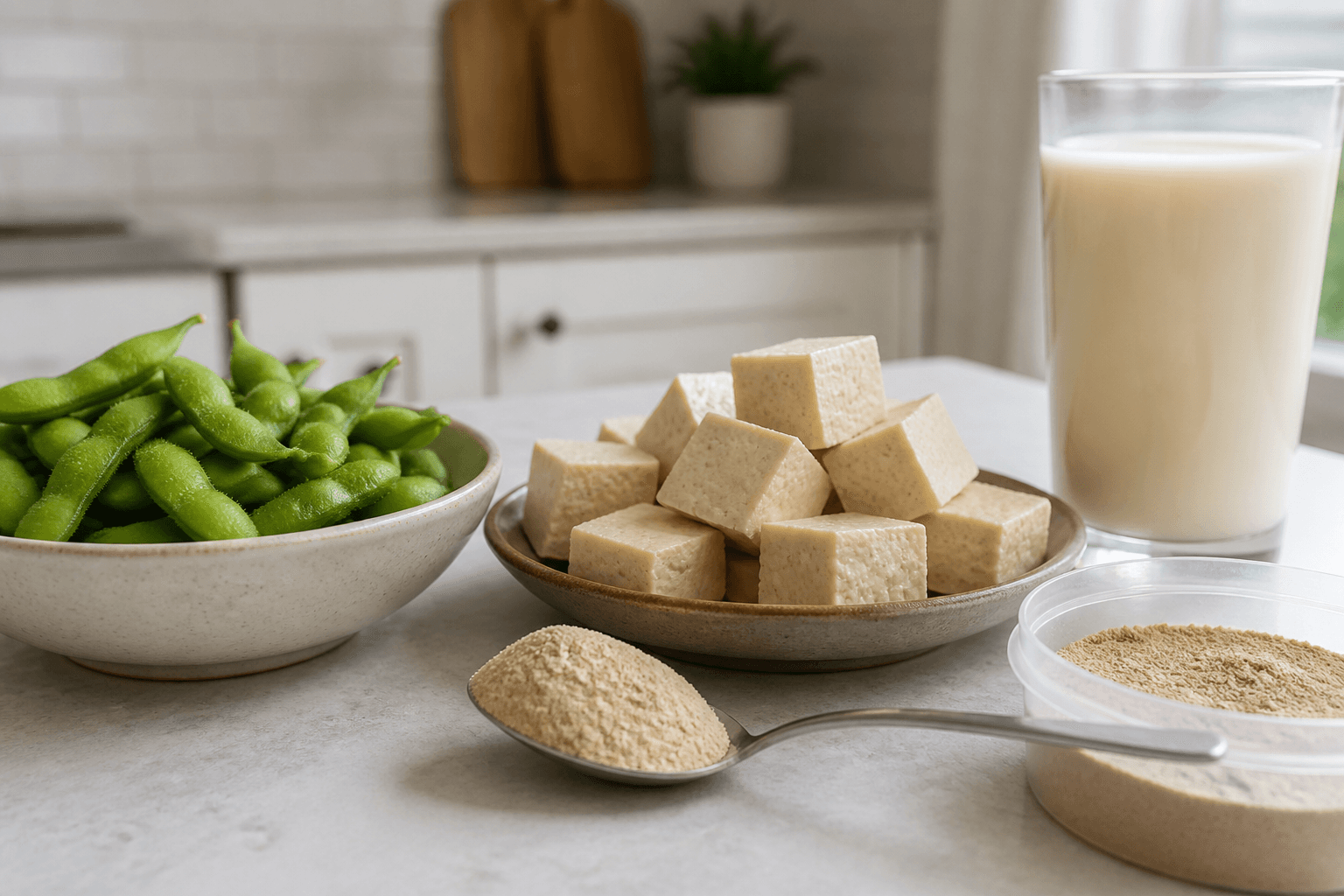
Leucine and Plant Protein: Hitting Muscle Protein Synthesis Thresholds Vegan
A 20 g whey scoop is not 1:1 with 20 g of pea. Use larger soy-forward servings to approach 2–3 g leucine; food first, then a checked vegan powder.
Low-FODMAP Diet for Runners: Race-Week Filter
A short FODMAP cut supports the ~15 g fiber race-week heuristic so you can still hit 8–12 g/kg carbs. Temporary vegan swaps — not an IBS treatment plan.

Plant-Based Iron for Runners: Absorption, Timing, and Testing
Non-heme iron, tea and coffee inhibitors, hepcidin after hard runs, and why ferritin is a lab result — not a smoothie, a seed mix, or a race-week pill.
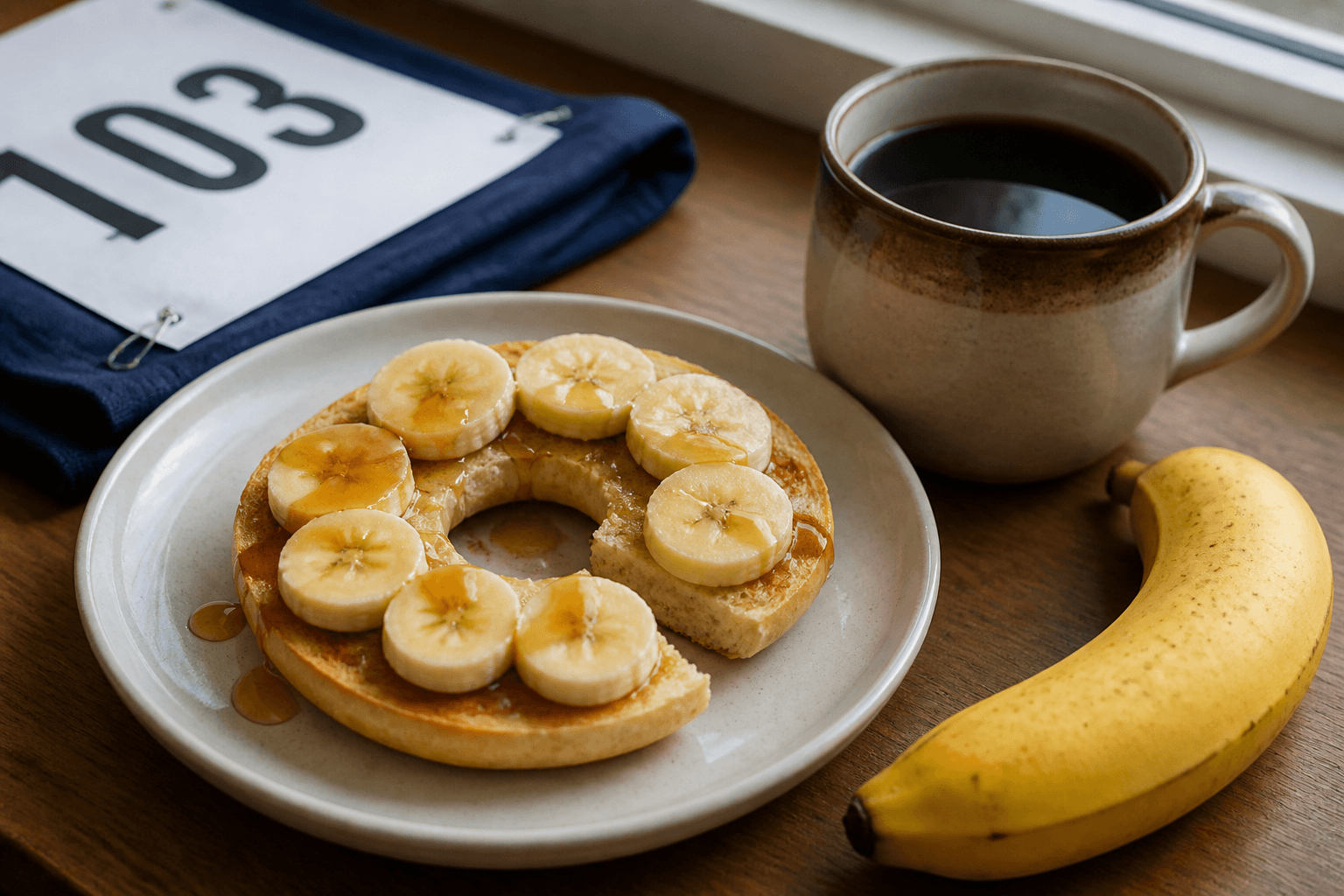
Plant-Based Marathon Breakfast Timing: 2, 3, and 4 Hours Before the Start
Eat 1–4 g/kg of low-fiber carbs 2–4 hours before the gun. Bagel and maple at 3 hours; juice or drink mix at 2 hours. No oats, no new food.
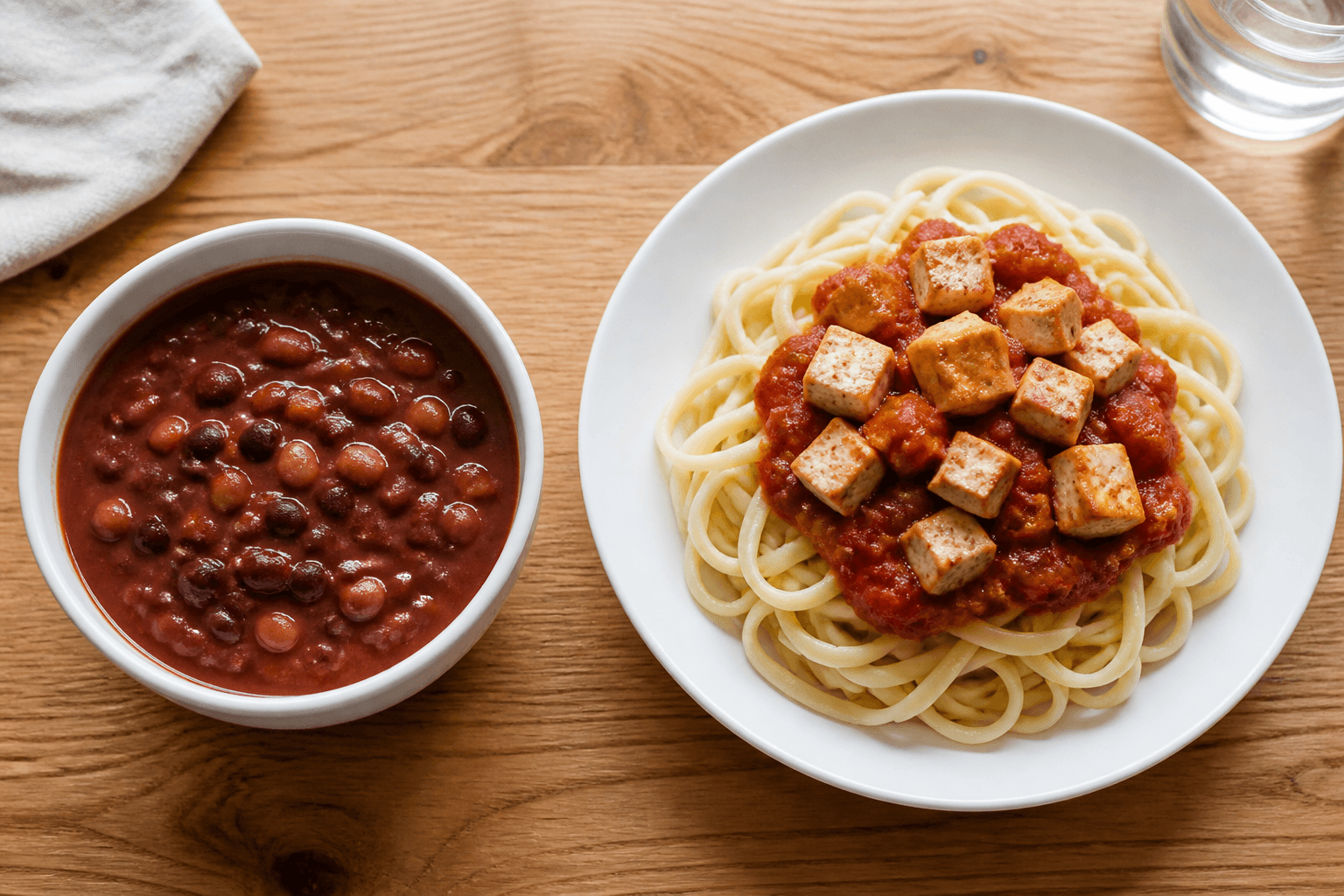
Preventing Runner's Diarrhea on a Plant-Based Diet
Cut fiber to ~15 g/day for 36–48 hours, gut-train the exact gels you will use on Sunday, and do not stack caffeine, fructose, and a new packet at mile 18.
Running a Marathon in the Heat: Fueling Guide
In heat, raise attention to fluid and sodium while keeping practised carb rates. Humidity is not an excuse for expo experiments or skipping water with gels.
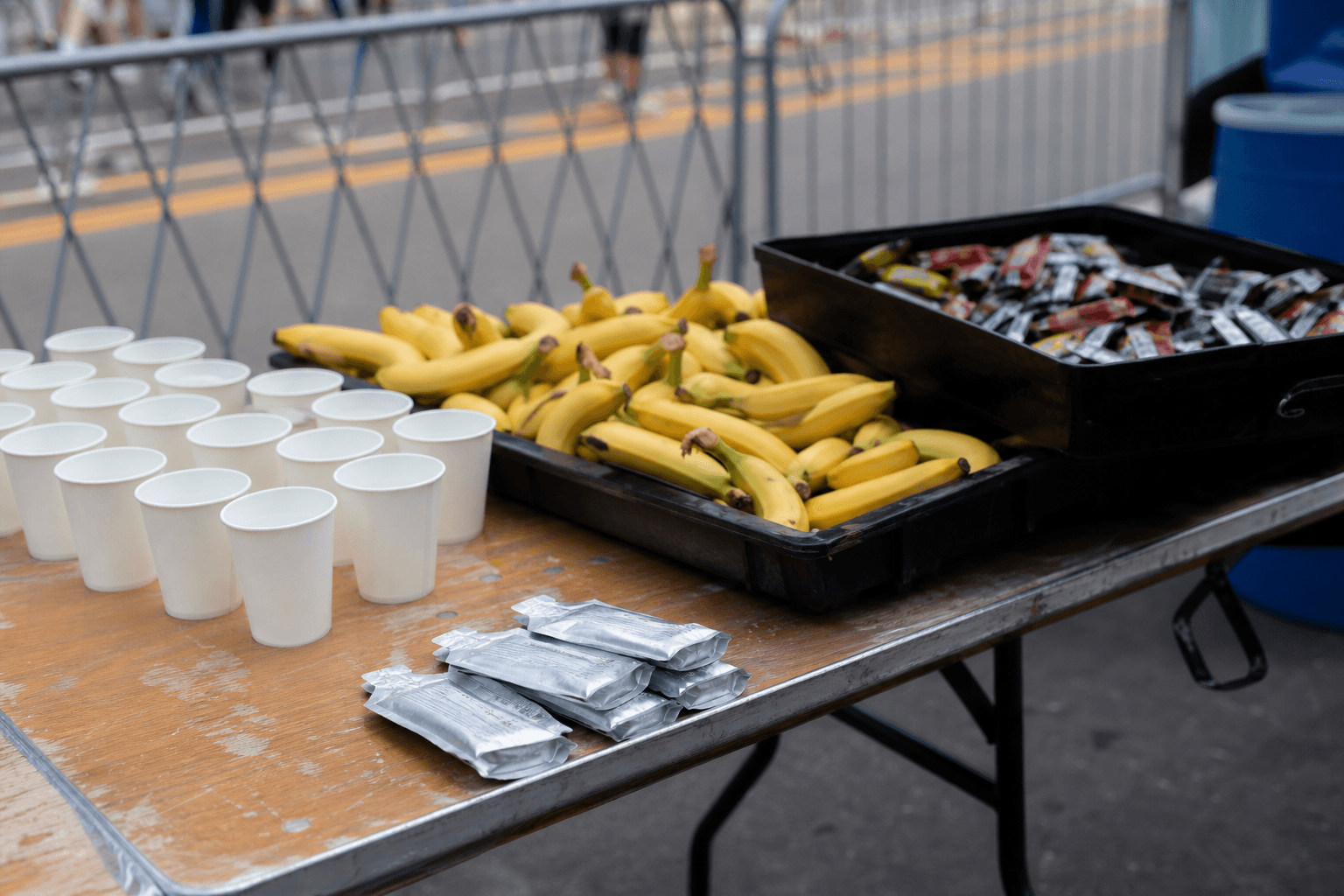
Vegan Aid-Station Food: What You Can Trust on Course
Carry your own vegan-status-checked packets. Course gels are often honey. Tailwind Rebuild and Skratch Recovery are dairy even when the brand also sells vegan mix.
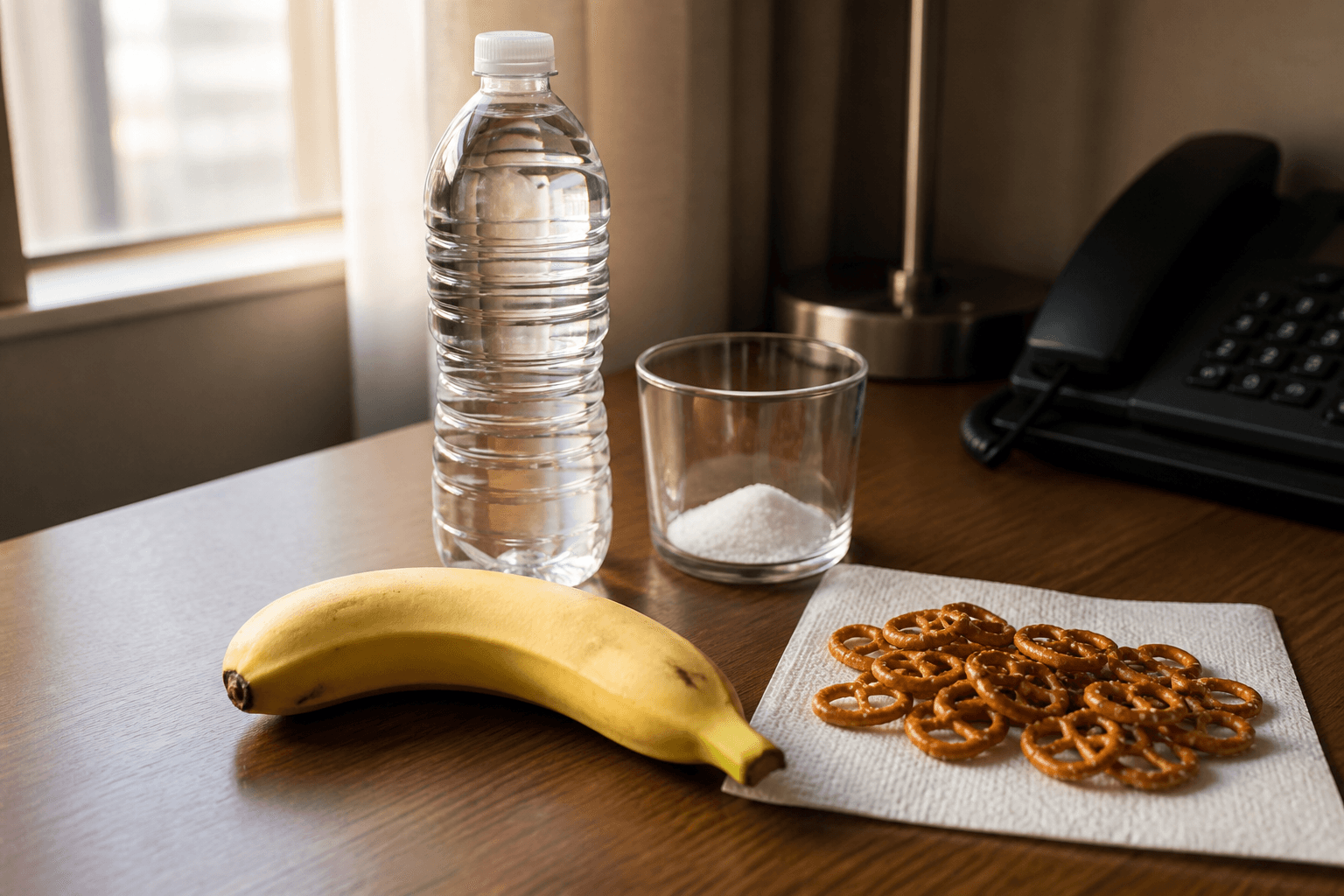
Vegan Race Morning Hydration and Electrolyte Loading
Start euhydrated: 400–600 ml in the two hours before the gun, with sodium in the morning bottle. Skip a gallon of plain water and the hotel-lobby fruit punch.
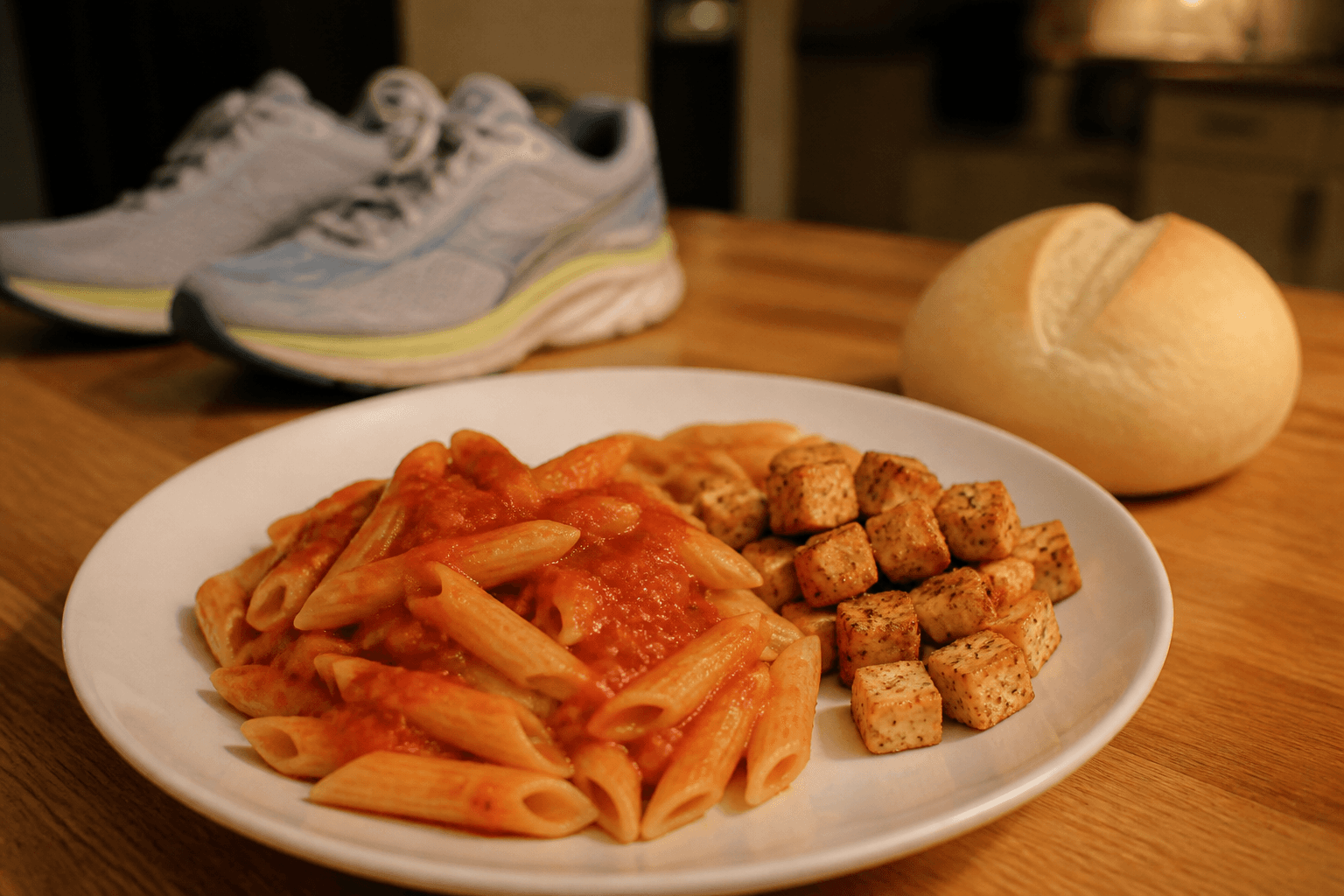
Vegan Taper Week: Avoiding the High-Fiber Trap
Taper mileage and fiber on different clocks: cut residue over 72 hours while carbohydrate rises. Day-by-day vegan swaps, a 15 g ceiling, and GI risk.
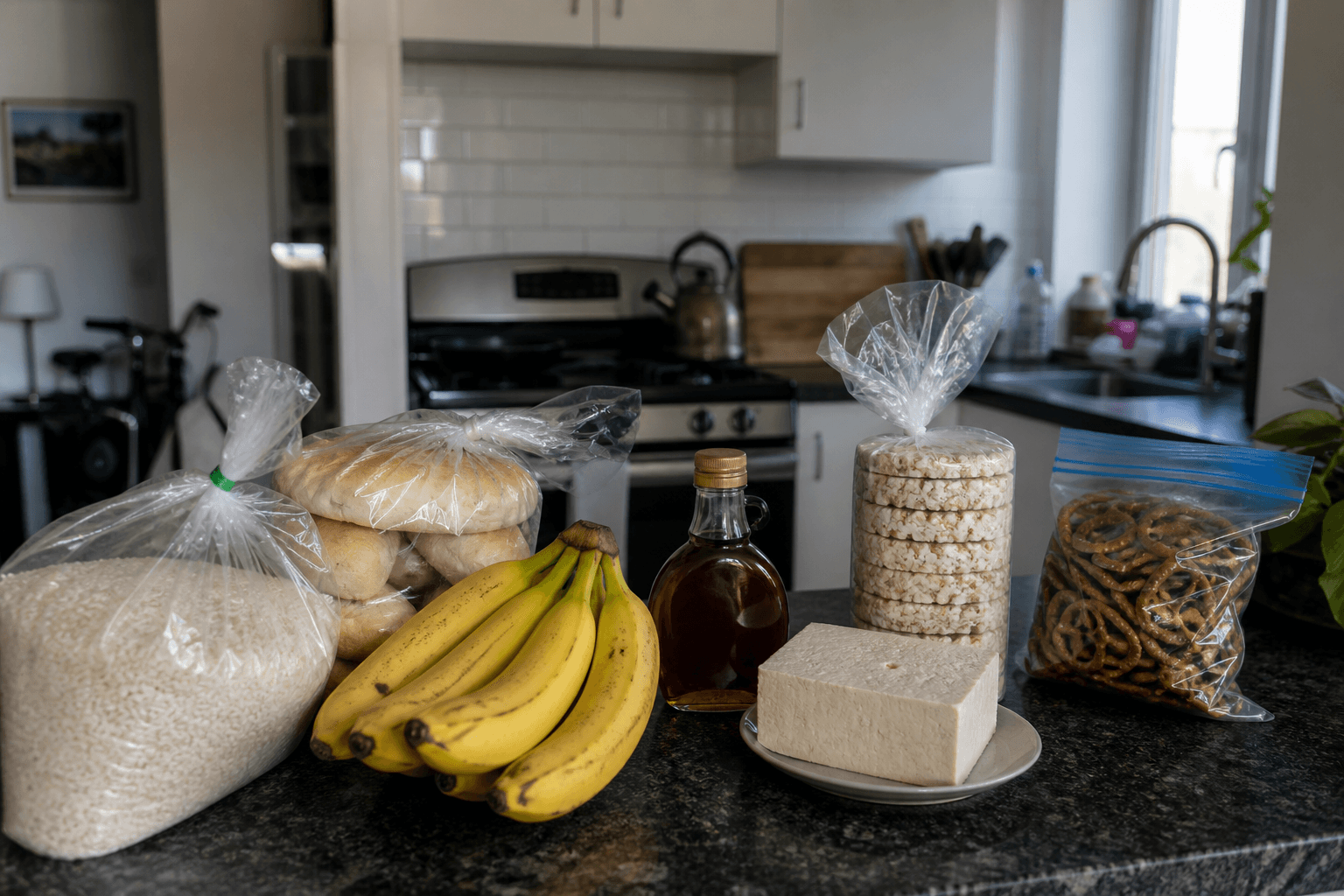
What Plant-Based Runners Should Eat 3 Days Before a Marathon
Day −3 starts fiber swaps, day −2 hits ~10 g/kg carbs, day −1 protects the gut. Full vegan menus with grams, shopping lists, and GI mistakes.
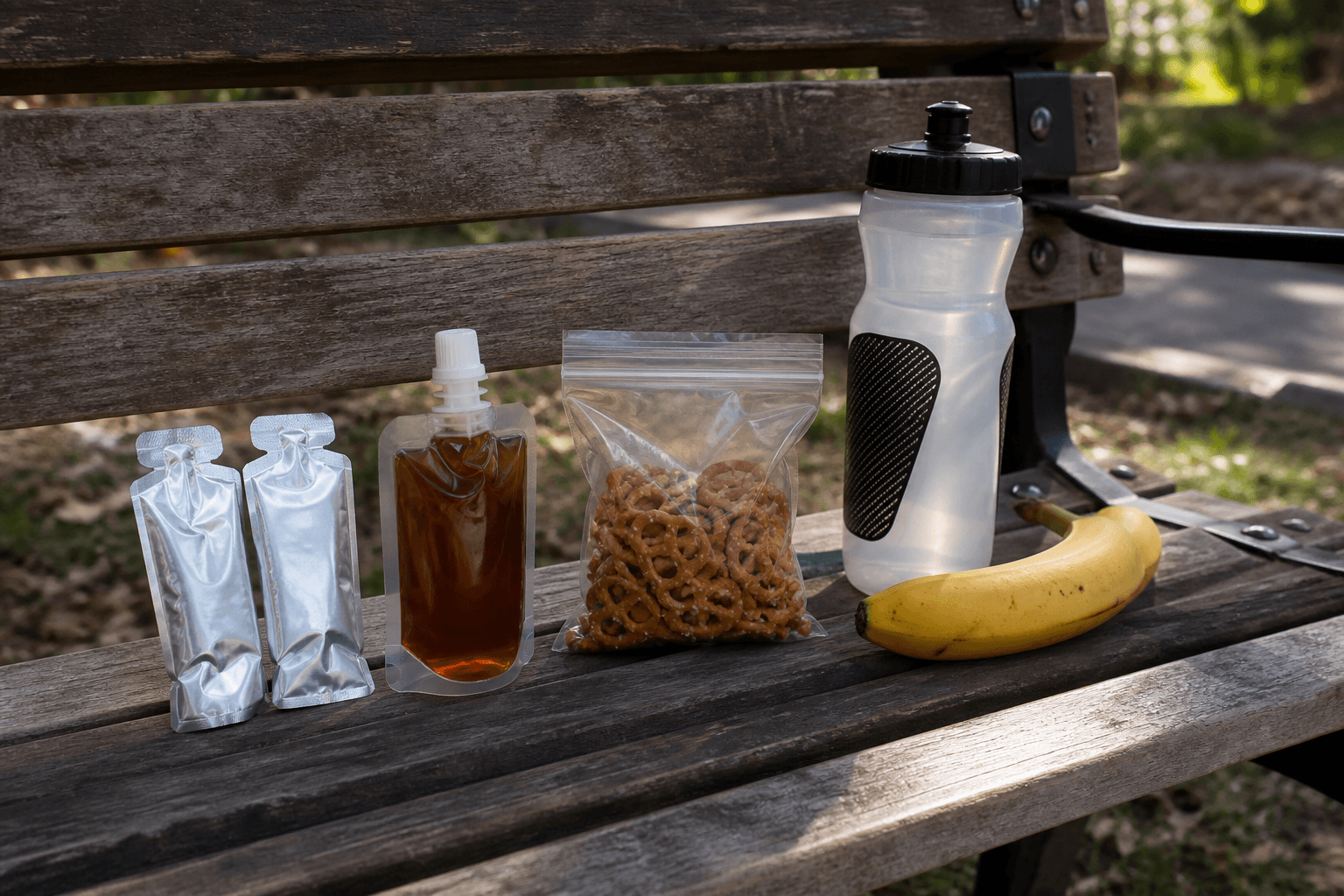
What to Eat During a Long Run on a Plant-Based Diet
Practise race carbohydrate at long-run intensity: 30–60 g/h from gels, mix, or low-fiber food. Dates and bananas are optional, not a default.

What to Eat the Night Before a Marathon on a Plant-Based Diet
A low-fiber, high-carb vegan dinner 12–14 hours before the gun: white pasta or rice, small tofu, extra bread. Home, restaurant, and hotel versions.
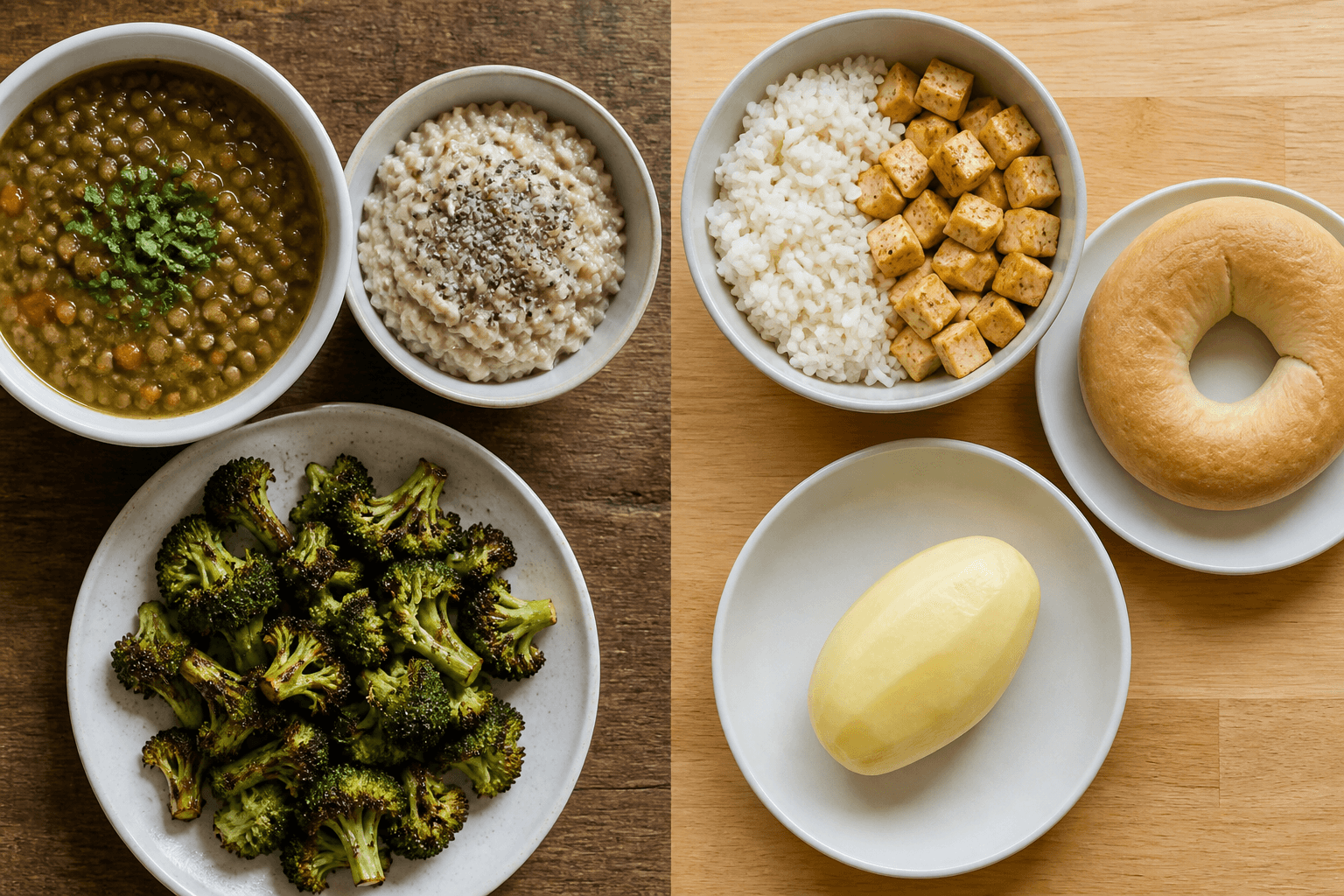
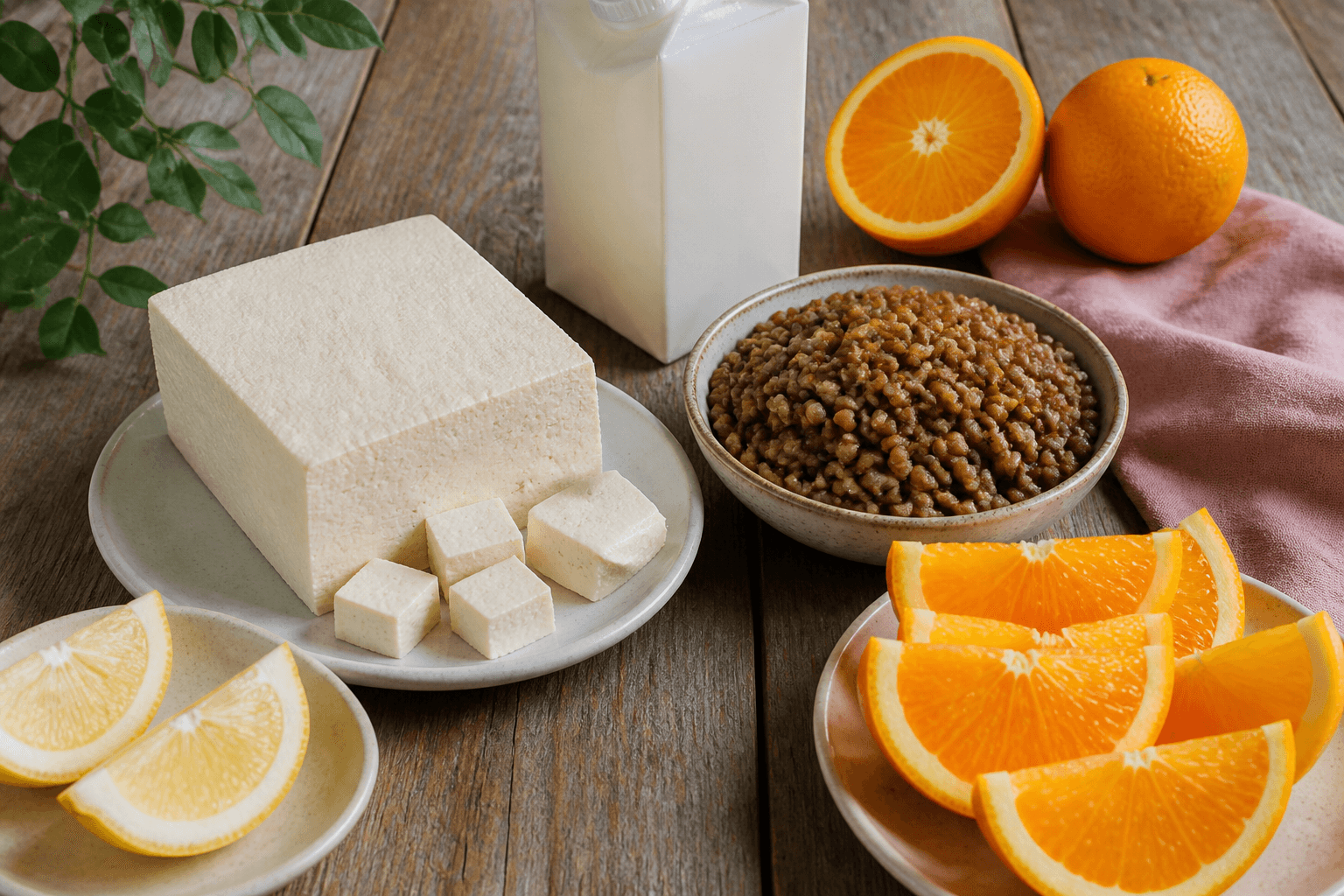
Why Beans, Whole Grains, and Cruciferous Veg Ruin a Vegan Carb Load
Lentils, oats, and broccoli can spend a 15 g race-week fiber budget before lunch. Swap to white rice, tofu, and peeled produce; keep carbs high for 48 hours.